Independent culture desk · Seoul & Busan

Korea Klub

Korean pop culture, music charts, drama recaps, street food maps, and expat life.

Why the desk works the way it does

Korea Klub is an independent English-language newspaper, and that independence shapes every editorial decision we make. Nobody hands us a coverage list, so the beats come from the reporters who actually walk the districts. Chart notes, concert calendars, restaurant shortlists by neighborhood, language-learning columns, interviews with indie creators, translators and small venue owners — all of it starts with someone deciding a subject is worth the trip.

Filed from the street, not the press release

Reporters file from Hongdae, Euljiro and Jeonju. That keeps the coverage tied to specific districts and scenes instead of generic summaries that could describe any city. A live room in Hongdae and a print alley in Euljiro ask different questions, and the copy reads differently because of it.

Two languages, one editorial standard

A translated Spanish edition serves readers across Latin America, and a Buenos Aires contact desk handles press enquiries and contributor pitches. Translation is not a separate product with looser rules — the same reporting standards apply to both editions.

Staying inside the beat

Coverage stays within culture, music, food, drama, language and expat life. When a story drifts outside that ground, we leave it to someone better placed to report it. Readers can read the current issue and the Friday digest on the site, or send a story tip to the editors.

How this desk works

Korea Klub is an independent English-language newspaper. There is no wire copy and no aggregation here. Everything in the issue starts with a reporter who was in the room, on the street, or on the phone with someone who was.

What the beats cover

The desk runs weekly chart notes, concert calendars, restaurant shortlists by neighborhood, language-learning columns, and interviews with indie creators, translators, and small venue owners. A chart note is not a screenshot with a number on it. It explains the tracking window, the difference between streaming and physical album counts, and why a Friday release behaves differently from a Monday one.

Where reporters file from

Hongdae, Euljiro, and Jeonju. Filing from a district rather than a country keeps the coverage tied to specific rooms, blocks, and working hours. A piece on Hongdae looks at the Tuesday soundchecks, not the Saturday crowd. A piece on Euljiro follows the kitchens that stay open after the print shops close.

The bilingual desk

A translated Spanish edition serves readers across Latin America, and a Buenos Aires contact desk handles press enquiries and contributor pitches. Translation runs after the English edit, so the reporting holds its shape before it changes language.
What we cover, and what we leave alone

Coverage stays within culture, music, food, drama, language, and expat life. That boundary is deliberate. It keeps the desk close to the subjects its reporters actually know, and it keeps the paper readable for people who came for one beat and stayed for the others.

An independent desk, not a fan account

Korea Klub is an English-language newspaper. We cover Korean pop culture, music charts, drama recaps, street food maps and the daily texture of expat life in Seoul and Busan. Our reporters file from Hongdae, Euljiro and Jeonju, which is why most of what we publish starts with a specific block, a specific stage or a specific kitchen rather than a general summary of the scene.

The editorial desk runs weekly chart notes, concert calendars, restaurant shortlists by neighborhood, language-learning columns and interviews with indie creators, translators and small venue owners. A translated Spanish edition reaches readers across Latin America, and our Buenos Aires contact desk handles press enquiries and contributor pitches.

Korea Klub: our work

What the desk actually looks at

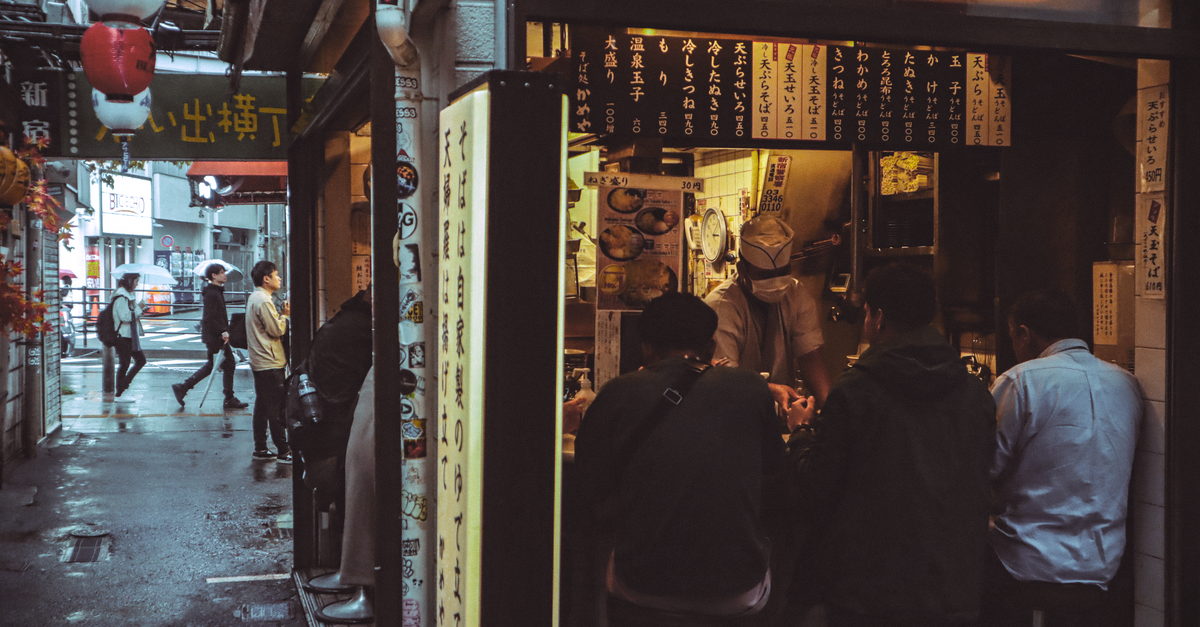
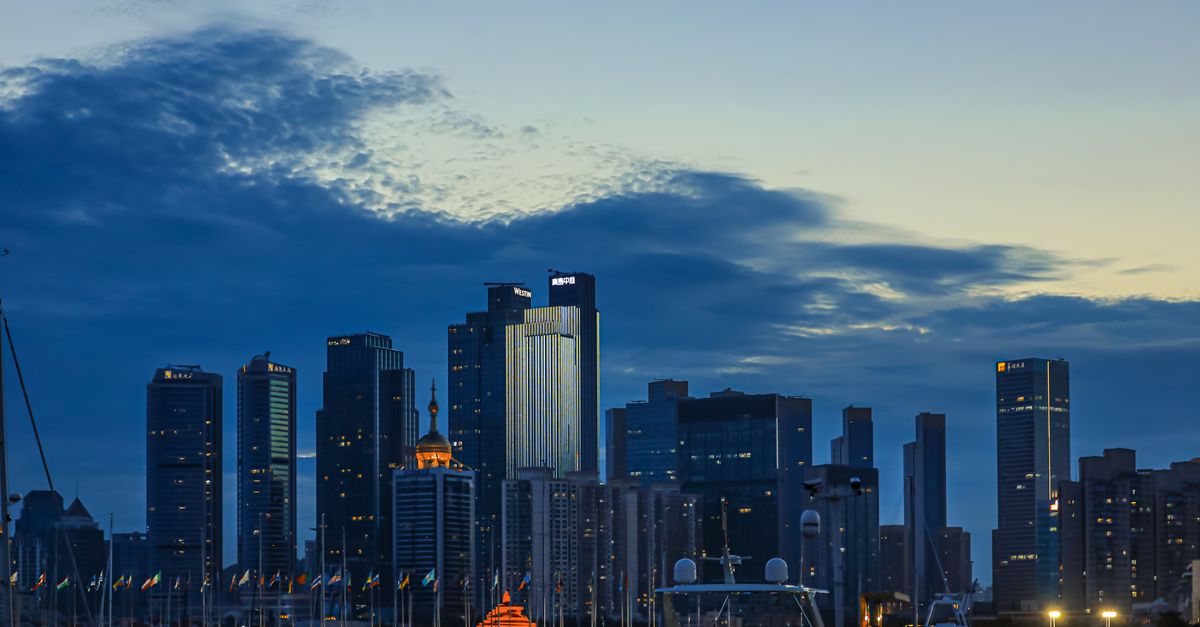
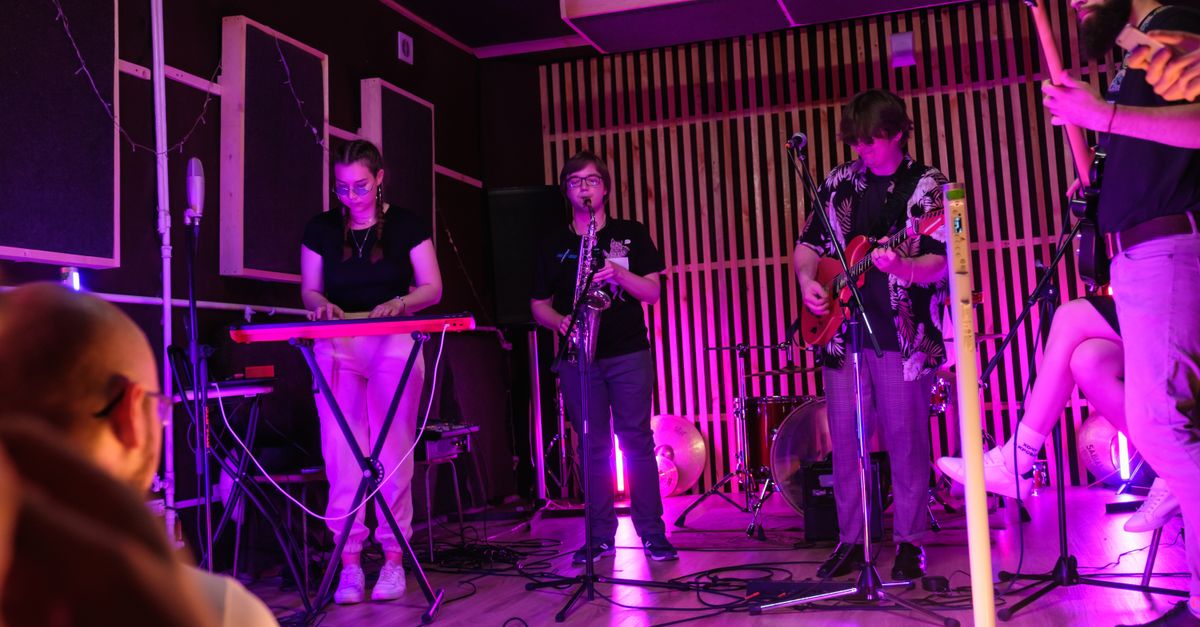
Reporting from Korea Klub starts with a place and a time of day, not a trend. These frames follow the beats our contributors file from most often: a Tuesday soundcheck in Hongdae, a late grill counter behind a print shop in Euljiro, a chart week that closes on a Friday release.

Korea Klub: our work
Hongdae, midweek A live room between soundcheck and doors, when the room is still empty and the setlist is being taped to the floor.
Korea Klub: our work
Euljiro, after closing Machine shops and print rooms share the block with kitchens that only start serving once the daytime trade goes home.

Filing locations stay specific on purpose. A story about a chart week reads differently when it is written next to the release schedule, and a food shortlist only holds up if someone walked the alleys at the hour the kitchens actually open. The Buenos Aires desk handles press enquiries and contributor pitches, and the Spanish edition carries a translated selection for readers across Latin America.

Cookies on this site

We use cookies to keep the site working, remember your preferences, and understand how pages are used. You can accept all cookies, reject the optional ones, or review the details before deciding. See our privacy policy for more information.