Independent culture desk · Seoul & Busan

Korea Klub

Korean pop culture, music charts, drama recaps, street food maps, and expat life.

What the editorial desk actually covers

Korea Klub is an independent English-language newspaper, and the beats below are the ones our contributors file on week after week. Each one has a home on the site where the current output lives.

Charts and music notes

Weekly chart notes and concert calendars, written for readers who follow rankings but want the mechanics behind them. Come here when a comeback number looks strange and you need the tracking window explained.

See the format in this week's posts.

Neighborhood food and street reporting

Restaurant shortlists by neighborhood, built around how a district actually runs: Euljiro kitchens that open after the print shops close, market stalls with narrow serving hours. Useful if you are planning a single evening rather than a full itinerary.

Browse the reporting archive.

Drama, language and interviews

Drama recaps that account for release schedules, language-learning columns on what song lyrics teach and where they mislead, and interviews with indie creators, translators and small venue owners. The specialist voices come from the culture we cover, not from a separate panel.
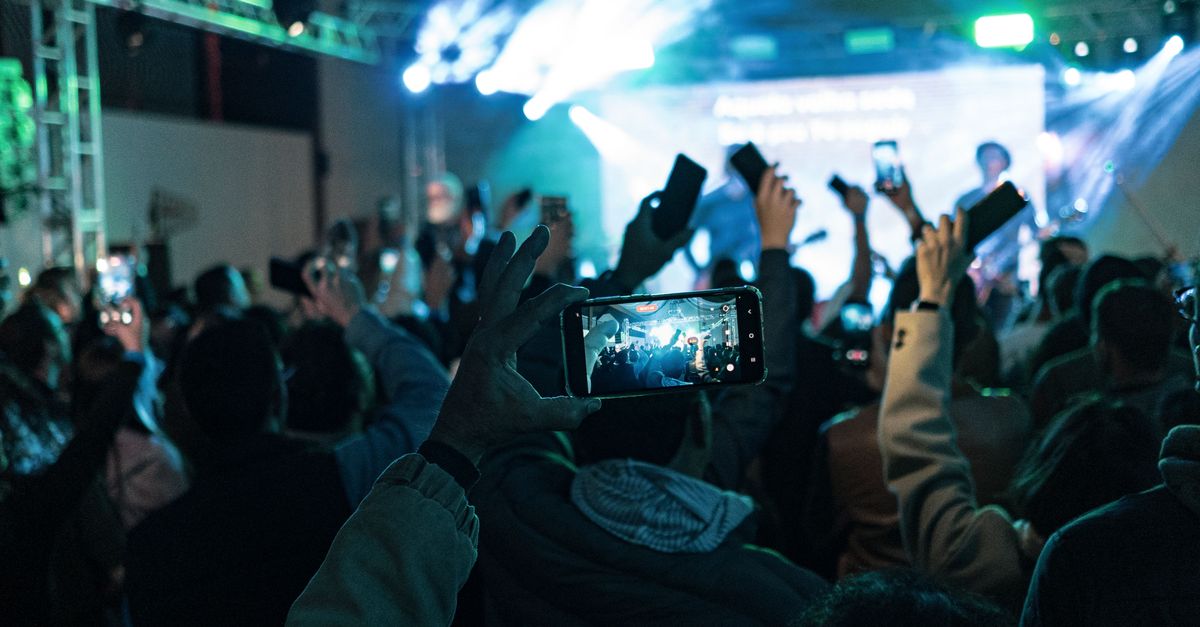
Korea Klub: specialists
Stages and markets are where most of our reporting starts.

Where the desk's beats continue

The specialists page names the reporters and the scenes they file from. These three pieces show how that reporting reads once it reaches the page.

More of the desk's output sits in the weekly posts archive, including the chart notes and neighborhood reports filed from Hongdae, Euljiro and Jeonju.

How we describe the desk

A few terms on this page need pinning down, because readers and contributors use them differently. "Specialist" here means a named beat, not a job title. The desk assigns coverage by subject — chart mechanics, neighborhood food reporting, drama release formats, language learning, festival logistics — and the person filing that beat is the specialist for it, whether they are on staff or contributing from the scene.

Reporters file from Hongdae, Euljiro and Jeonju, and the beats follow those places rather than a central assignment list. Interviews are usually conducted with indie creators, translators and small venue owners, so the people quoted are part of the culture being covered, not an outside panel of commentators. The translated Spanish edition for readers in Latin America is produced from the same reporting, not written separately, and the Buenos Aires contact desk handles press enquiries and contributor pitches for that region.

Coverage, not credentials

We do not publish staff biographies or years of experience. What you can check is the beat: which neighborhood a piece reports from, which chart window it uses, which venue or kitchen it describes.

Two editions, one desk

The English edition and the Spanish translation share the same reporting. A piece is not rewritten for Latin American readers; it is translated, with local framing kept to the contact desk in Buenos Aires.

Pitches and corrections

Contributor pitches and press enquiries go through the contact desk, not to individual reporters. Corrections are handled the same way, and we note the change rather than quietly editing the text.

Cookies on this site

We use cookies to keep the site working, remember your preferences, and understand how pages are used. You can accept all cookies, reject the optional ones, or review the details before deciding. See our privacy policy for more information.