Independent culture desk · Seoul & Busan

Korea Klub

Korean pop culture, music charts, drama recaps, street food maps, and expat life.

Send the desk what you have

Story tips, corrections, press enquiries and contributor pitches all reach the same editors. Chart notes, venue reports, restaurant leads, translation questions — if it fits the beats we cover, it is worth sending.

The Buenos Aires desk handles press enquiries and contributor pitches. Reporters file from Hongdae, Euljiro and Jeonju, and the Spanish edition runs alongside the English one.

Go to the contact page

The reading list

Six pieces from the desk this cycle, filed between Hongdae, Euljiro and Busan. Chart mechanics, midweek venue notes, a late-night food map, a look at how release schedules shape drama talk, a language column, and a festival guide for anyone heading south for the first time. Each one stands on its own.

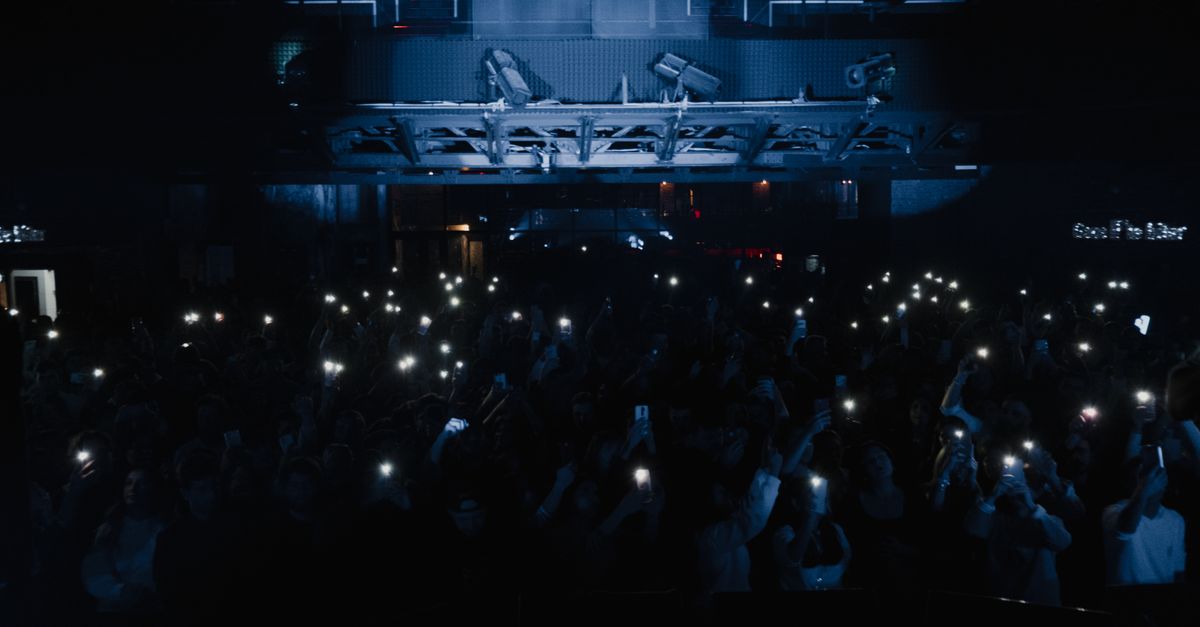
Concert crowd with phone lights raised in a dark venue

Reading the Weekly K-Pop Chart Like a Reporter

What the numbers actually say about comebacks, album pushes and digital longevity

Chart positions look simple on a screenshot, but the numbers behind them come from several sources that do not move at the same speed. This piece walks through how a tracking week is assembled, why a Friday release behaves differently from a Monday one, and where physical album shipments enter the picture. It also looks at the gap between a song that peaks fast and one that stays on the chart for months, and what that gap means for smaller labels. Readers who follow chart accounts on social media will come away with a clearer sense of which claims are worth trusting.

Read the piece

Small stage with instruments and colored lights before a live show

Hongdae on a Tuesday: Small Venues Between Shows

A walk through the clubs and live rooms that keep indie music alive midweek

Hongdae's reputation is built on weekend nights, but the neighborhood runs on a different rhythm during the week. Small venues open early for soundchecks, staff reset the room between acts, and a handful of regulars show up for sets that will never appear on a festival poster. This article follows that quieter schedule and speaks with the people who keep it going, from door staff to touring bands passing through. It also notes how rent pressure and licensing rules shape which rooms survive, and why some stages disappear without much notice.

Read the piece
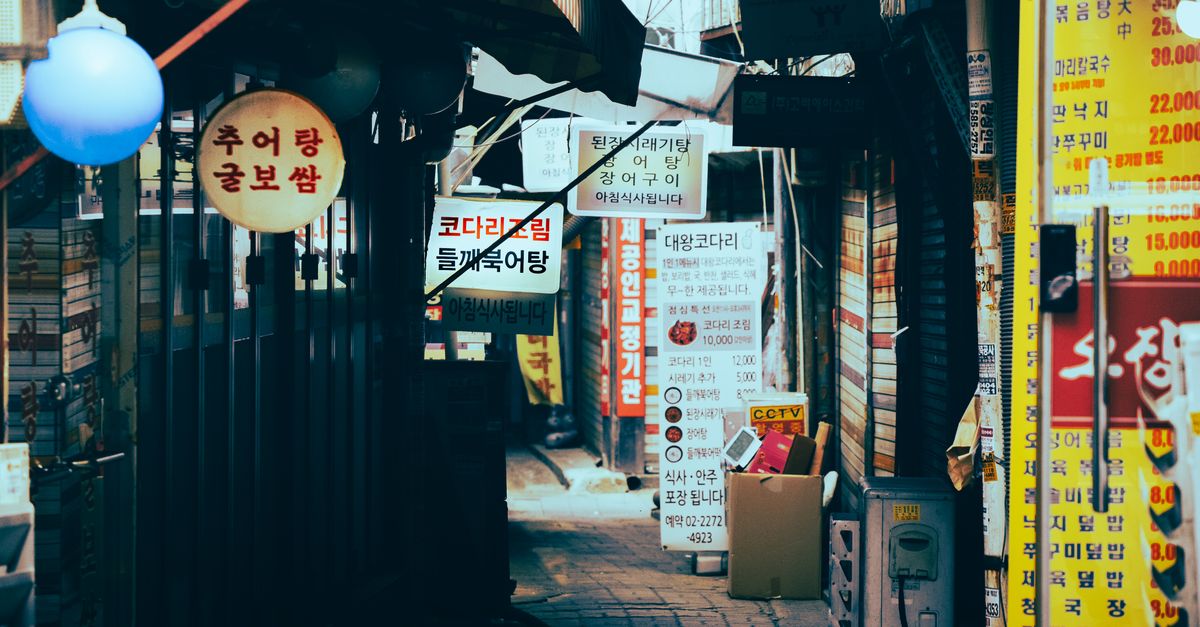
Narrow alley with lit shop signs and small food stalls at night

Euljiro Food Map: Late Plates After the Offices Close

Where print shops, machine parts and dinner tables share the same blocks

Euljiro's alleys are still full of metal workshops and print shops, and the food scene grew around them rather than replacing them. This guide maps a handful of spots that serve late, from grill counters tucked behind storefronts to small bars that open when the daytime trade winds down. It notes which places take walk-ins, which fill up fast after seven, and how the neighborhood's layout makes some addresses harder to find than they look on a map. The piece avoids ranking the kitchens and instead explains what each one is good for.

Read the piece
Person watching a streaming series on a laptop in a dim room

Drama Recaps and the Problem of the Weekly Wait

How release schedules shape the way viewers talk about a show

A drama released two episodes at a time behaves differently from one that drops all at once, and the difference shows up in how viewers write about it. Weekly releases build anticipation, fuel speculation between episodes, and give recaps room to breathe. Full-season drops push audiences toward binge summaries and spoiler warnings that expire within days. This article compares both formats using recent examples and talks to recap writers about how they plan their coverage. It also touches on translation timing, since subtitle availability often decides when international viewers can join the conversation.

Read the piece
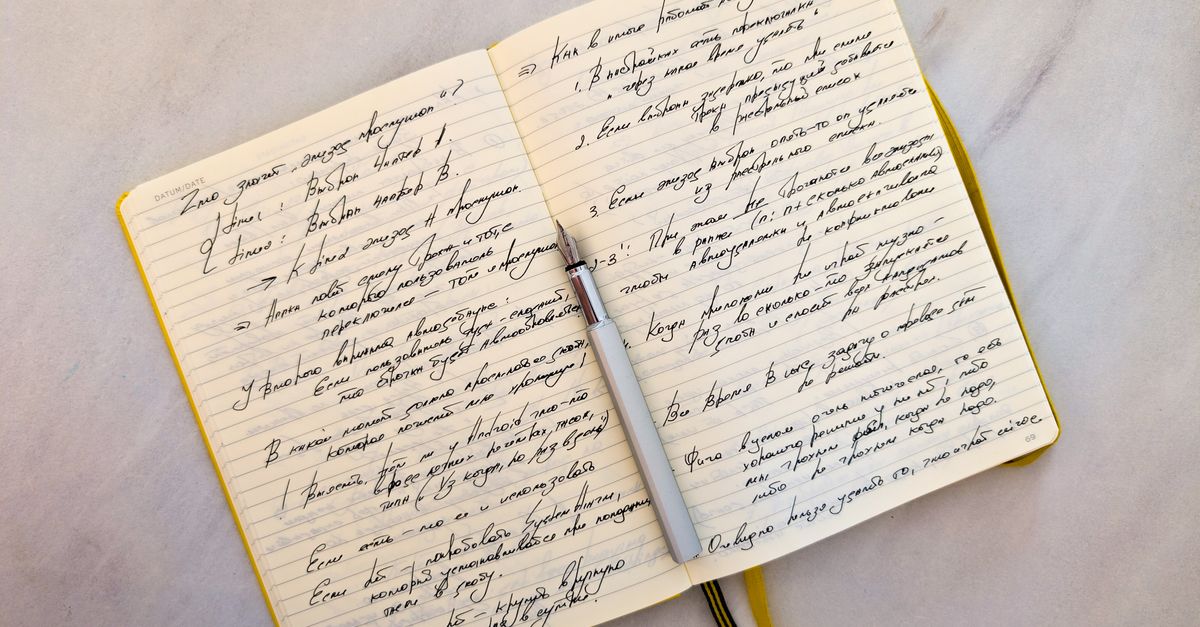
Open notebook with handwritten notes and a pen on a desk

Learning Korean Through Lyrics: What Works and What Does Not

A practical look at using songs as study material without losing the grammar

Pop lyrics are memorable, emotional and often grammatically loose, which makes them useful for vocabulary and risky as a grammar model. This column breaks down what learners can safely take from a song, from repeated phrases to honorifics that appear in context, and what they should double-check against a textbook. It also covers the gap between written and sung Korean, where syllables get stretched or dropped to fit a melody. A short list of study habits closes the piece, aimed at learners who already know Hangul and want to move past beginner material.

Read the piece
Coastal city skyline at dusk with lit buildings along the waterfront

Busan Beach Festivals: A First-Timer's Survival Guide

How to pick the right weekend, reach the sand and still enjoy the music

Busan's beach festivals look effortless in photos, but the experience depends on choices made weeks earlier. This guide explains how to read a festival lineup against the local calendar, why the same beach feels completely different in June and August, and which subway exits actually lead to the sand. It also covers what happens when a typhoon warning forces a schedule change, how refunds and rescheduling are usually announced, and why arriving before noon changes everything. The closing section lists a few habits that first-time visitors tend to learn the hard way.

Read the piece

Cookies on this site

We use cookies to keep the site working, remember your preferences, and understand how pages are used. You can accept all cookies, reject the optional ones, or review the details before deciding. See our privacy policy for more information.